
Whether you’re a professional woodworker or a weekend DIY enthusiast, safety should always be a top priority in the shop. While many people focus on preventing visible injuries from tools and equipment, airborne hazards can be just as dangerous. A respiratory-protection-products’>respirator is one of the most effective tools for protecting your lungs from dust, fumes, and other contaminants that may not be visible to the naked eye.
Many workshop activities create fine particles that remain suspended in the air long after a task is completed. Repeated exposure to these contaminants can affect respiratory health and overall well-being.
By consistently wearing a respirator, woodworkers can significantly reduce their exposure and safeguard their long-term health.
Common Airborne Hazards Found in Workshops
Workshops contain a variety of airborne contaminants that can affect indoor air quality. Activities such as cutting, sanding, routing, and finishing materials release particles into the air. These hazards may include wood dust, sanding debris, mold spores, and fumes from paints, stains, adhesives, and solvents.
Because many of these contaminants are microscopic, workers may inhale them without realizing it. Although a single exposure may not seem significant, repeated contact over months and years can add up. This is why respiratory protection should be considered an essential part of every shop’s safety routine.
Wood Dust and Its Hidden Risks
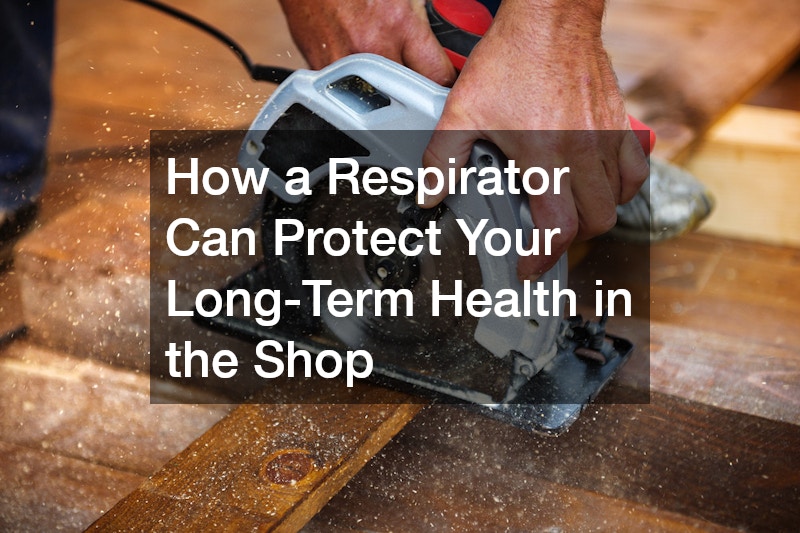
Wood dust is one of the most common airborne hazards in woodworking environments. Fine particles created during sanding and cutting can stay airborne for extended periods and travel throughout a workspace. These particles are small enough to reach deep into the respiratory system when inhaled.
Repeated exposure to wood dust may contribute to respiratory irritation, coughing, throat discomfort, and other breathing-related issues. Certain wood species can be particularly irritating, making it even more important to limit exposure. Wearing a respirator helps reduce the amount of dust entering the lungs and lowers the risk associated with long-term exposure.
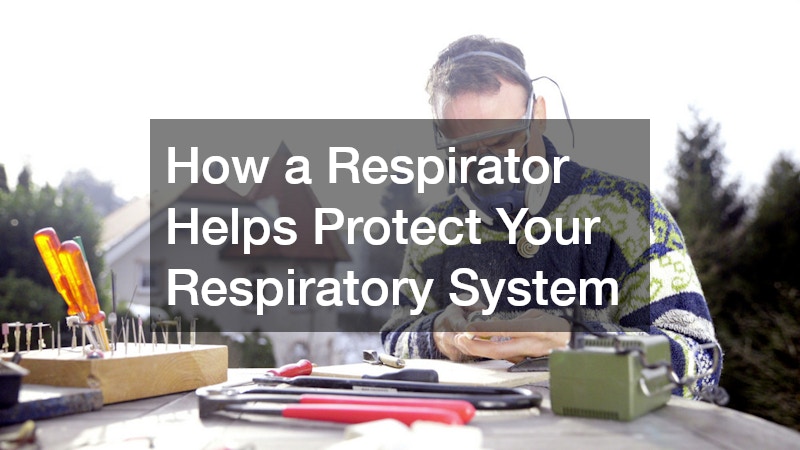
How a Respirator Helps Protect Your Respiratory System
A respirator serves as a protective barrier between your respiratory system and harmful airborne particles. Unlike basic face coverings designed primarily for comfort or general use, a properly fitted respirator is specifically designed to filter contaminants before they are inhaled.
Regularly using a respirator can help reduce cumulative exposure to airborne hazards. Even if individual projects produce only moderate amounts of dust, the total exposure accumulated over years of woodworking can be substantial.
Filtering Out Harmful Particles
One of the key functions of a respirator is its ability to capture fine particles commonly generated during woodworking tasks. Modern respirators use specialized filtration materials that trap contaminants while allowing the user to breathe comfortably.
Filtration efficiency is especially important when operating power tools, sanders, and other equipment that produce large amounts of fine dust. Smaller particles are often the most concerning because they can remain airborne longer and penetrate deeper into the lungs. A quality respirator helps prevent these particles from entering the respiratory system and causing potential harm.
Long-Term Health Benefits of Wearing a Respirator
The benefits of wearing a respirator extend beyond immediate comfort during dusty projects. Consistent use can help support respiratory health over the long term by reducing exposure to harmful contaminants. Workers who protect their lungs regularly may experience fewer symptoms related to airborne dust and irritants.
Reducing exposure can also help minimize issues such as throat irritation, coughing, congestion, and breathing discomfort. While no protective measure can eliminate every risk, using a respirator significantly improves protection compared to working without one.
Supporting a Safer Career or Hobby
Whether woodworking is a profession or a personal hobby, maintaining respiratory health is essential for long-term participation. Professionals may spend many hours each week in the shop, increasing their overall exposure to airborne contaminants. Hobbyists may face lower exposure levels, but years of periodic woodworking can still add up.
Wearing a respirator consistently helps preserve lung health and supports a safer working environment. By making respiratory protection a habit, woodworkers can continue pursuing projects comfortably while reducing unnecessary health risks.
Best Practices for Getting the Most Protection From a Respirator
To maximize effectiveness, a respirator must fit properly. Gaps between the face and mask can allow contaminants to bypass the filter, reducing protection. Performing seal checks and following manufacturer recommendations can help ensure the respirator functions as intended.
Most importantly, make respiratory protection a consistent habit. Wearing a respirator only occasionally limits its benefits, while regular use provides ongoing protection against the hazards commonly found in woodworking environments.
A respirator serves as an important line of defense against these hazards by filtering harmful particles before they enter the lungs. When combined with proper shop ventilation and dust-control practices, a respirator can play a valuable role in protecting long-term health.
By prioritizing respiratory protection and making it part of every project, woodworkers can create a safer shop environment and help preserve their health for years to come.